Social Activists
Social activists are individuals who dedicate their time to working towards a social cause or speaking out for the voiceless. They are determined to make a positive difference in society by tackling social issues.
Social activists are individuals who dedicate their time to working towards a social cause or speaking out for the voiceless. They are determined to make a positive difference in society by tackling social issues.
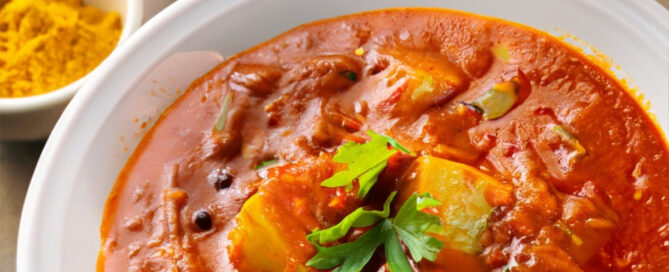
Aloo Tamatar Ka Jhol is a popular vegetarian curry dish in the state of Uttarakhand. It's scrumptious, plus it's packed with nutrients. Aloo Tamatar Ka Jhol is a dish made with tomatoes (tamatar) and potatoes (aloo), with the gravy (jhol) being thin and spicy thanks to the addition of cumin, coriander, turmeric, red chilli powder, and garam masala. The cumin seeds are added to the oil once it has been heated in a separate pan. After the cumin seeds have popped, add the chopped onions, ginger, and garlic paste and sauté until the onions are golden brown. Then, add the diced tomatoes and potatoes and cook until the tomatoes are mushy.
After adding all the spices and water, the meal is normally simmered for 15–20 minutes to allow the sauce to thicken and the potatoes to complete cooking
Aloo Tamatar Ka Jhol is traditionally served hot with hot rice or roti. (A type of flatbread popular in India). People of all ages will enjoy this dish because of how easy and tasty it is to prepare.
Langvir Nritya is a traditional folk dance from the state of Uttarakhand in India. During the Harela festival, it is performed by men in the Kumaon area of Uttarakhand. The dance is called after langurs, which are revered in the area as sacred animals. This is an acrobatic dance that is performed only by men. A long bamboo pole needs to stay steady when doing this dance. The dancer-acrobat climbs the pole and places himself on top while laying on his stomach. While the dancer balances on top of the pole and performs other feats with his hands and feet, musicians around play the Dhol and Damana.
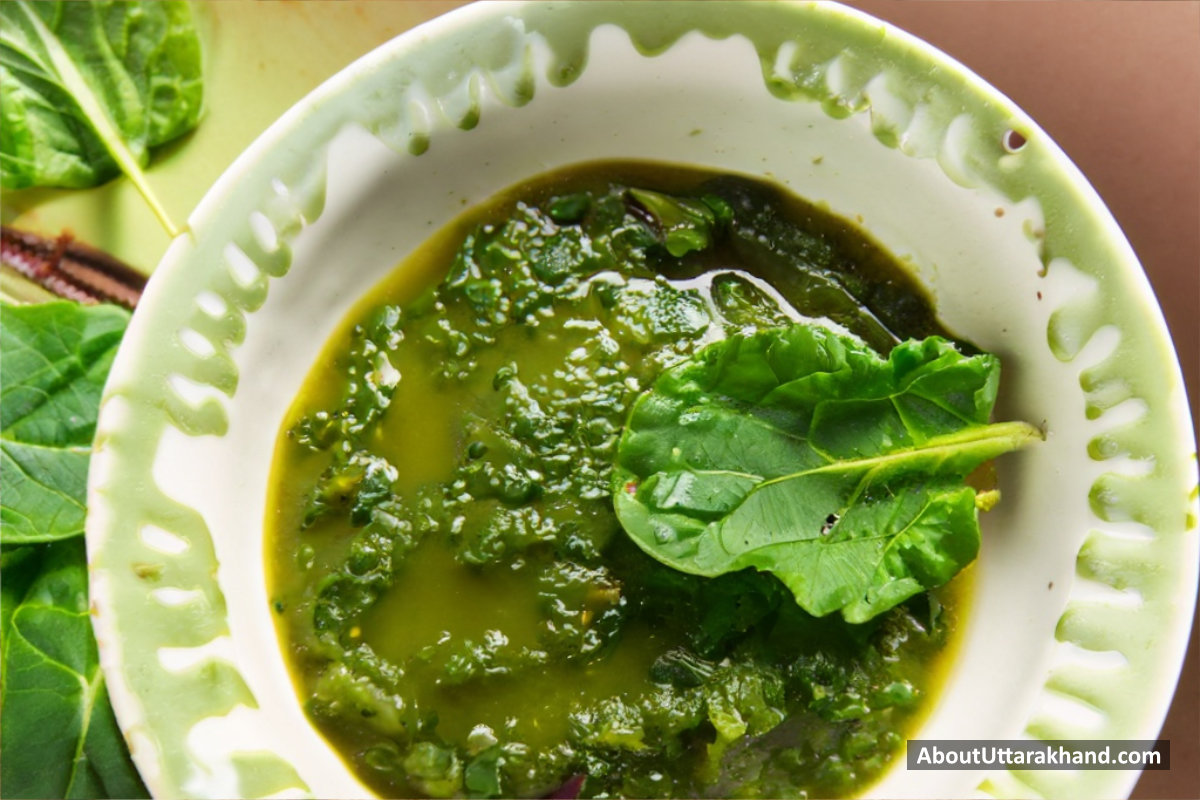
Kafuli Kafuli is a [...]
Gujarati food from western India is the vibrant and varied cuisine. Gujarati vegetarian cuisine is a reflection of the region’s cultural heritage and agricultural abundance, with its distinctive flavours, textures, and vegetarianism. One of India’s most beloved dishes dates back hundreds of years and is a perfect example of how ancient and contemporary flavours can work together in harmony.
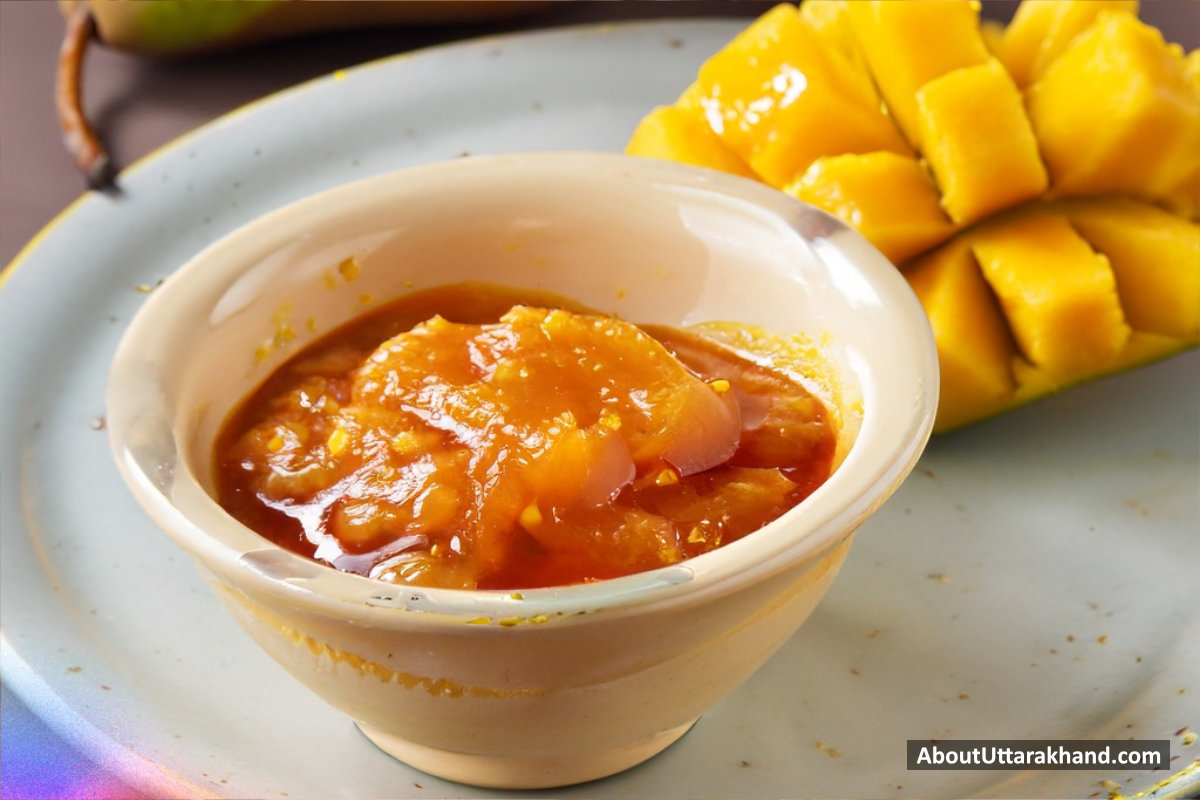
Pear And Mango Chutney [...]
The cultural vitality and agricultural history of Uttarakhand are summed up in the two interdependent festivals of Bhitauli and Harela. The agricultural traditions of the state constitute the foundation of these festivals, which commemorate key dates in the agricultural year. Joy, ritualistic rituals, and community bonding characterize the Bhitauli and Harela celebrations, respectively, that take place during the Chaitra and Shravana months. All of these traditions come together to form a tapestry that binds the people of Uttarakhand to their ancestral habits, crops, and land.
Shotiya Tribal Dances are the special dances of Bhotiya tribal. Some of the popular Shotiya tribal dance forms are Dhurang and Dhuring, which are associated with death ceremonies. The Bhotiya tribe believed that the soul of the deceased resided in the body of a goat or another creature, and they sought to free it. This dance is similar to the pastorals of Himachal Pradesh or the hunting dance of Nagaland.
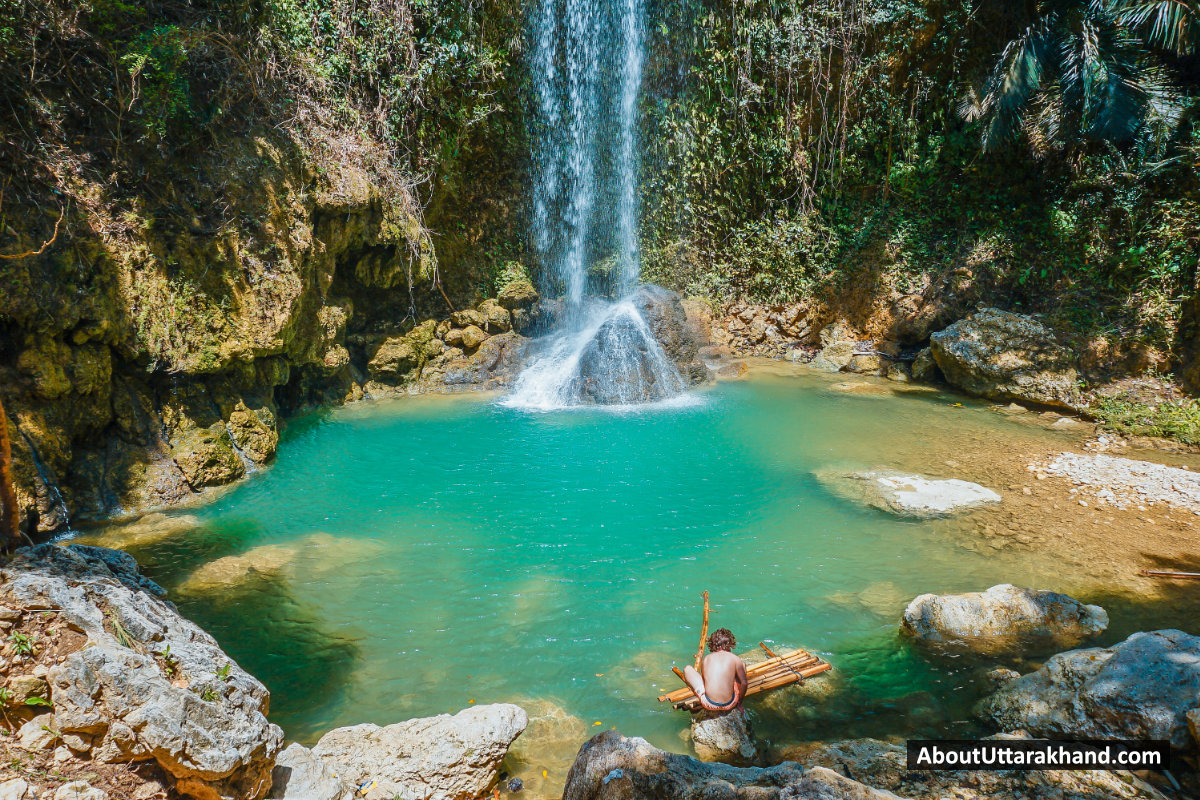
The force of moving water colliding with the craggy contours of the Himalayan terrain results in the creation of awe-inspiring waterfall spectacles that are both stunning and awe-inspiring. These waterfalls can be seen in the Indian state of Uttarakhand. Not only are these waterfalls, such as Kempty Falls and Sahastradhara Falls, natural wonders, but they are also awe-inspiring sites that allow travellers to experience the forces that have created the mountains over the course of millennia.
Situated in the shadow of the towering Himalayas, Uttarakhand is a state whose traditional music and scenery are as awe-inspiring as they are musical. In Uttarakhand, the cultural epicentre of northern India, a wide variety of Traditional instruments Of Uttarakhand pay homage to the region's long history of music.
These instruments capture the essence of the region's cultural identity, from the rhythmic rhythms of traditional drums resonating in the highlands to the soul-stirring melodies of the flute echoing down the lowlands. This investigation dives into the complex realm of Uttarakhandi traditional instruments, illuminating the history, artistry, and meaning embedded in each piece of music.